

The case of the Center for Agriculture and Rural Development Mutually Reinforcing Institutions (CARD MRI) tells how a non-government organization providing microfinance services grew over three decades to develop a social enterprise model that enables landless rural poor women to become managers, owners, investors and guardians of their families’ futures.
The history of the Center for Agriculture and Rural Development (CARD) is a powerful story of innovation and growth. It began in 1986 and over three decades has developed a network of “Mutually Reinforcing Institutions” (MRIs) to expand services to poor women in the countryside. It is a story of service delivery and social entrepreneurship on a very large scale on behalf of its main client base – the “nanays”, or mothers, of the countryside.
The efforts of the network known today as CARD MRI reach far across and deep into the life of several provinces in the Philippines, a nation of about 100 million people, of whom about 25% are poor.
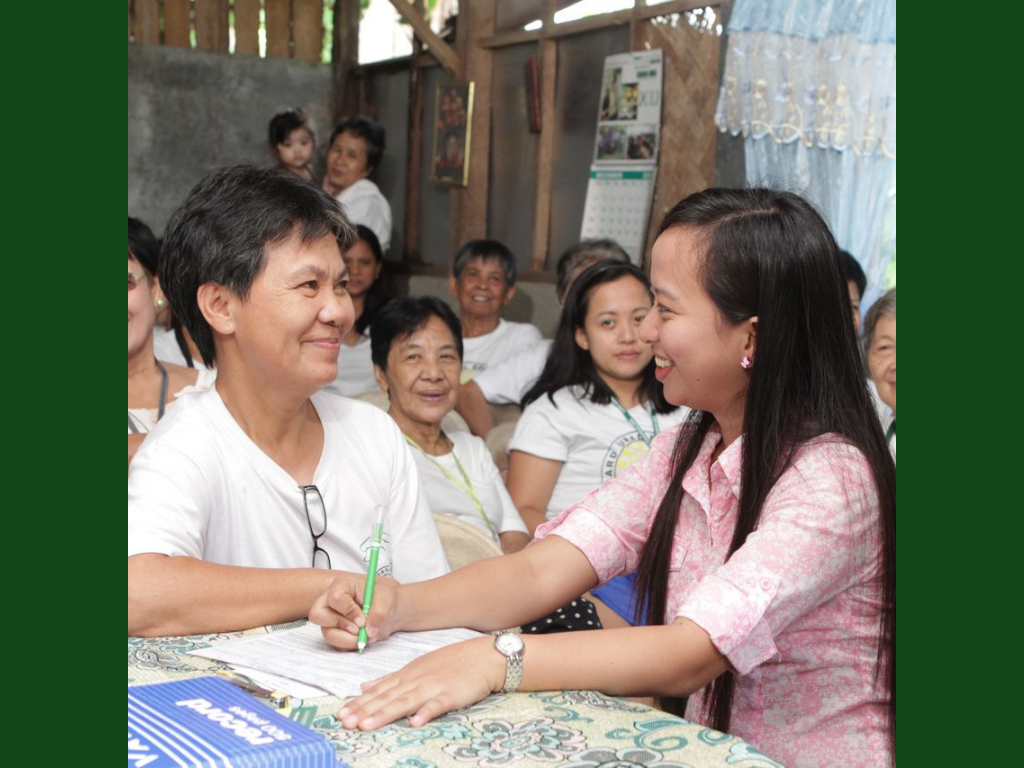
The case of the Center for Agriculture and Rural Development Mutually Reinforcing Institutions (CARD MRI) tells how a non-government organization providing microfinance services grew over three decades to develop a social enterprise model that enables landless rural poor women to become managers, owners, investors and guardians of their families’ futures.
The history of the Center for Agriculture and Rural Development (CARD) is a powerful story of innovation and growth. It began in 1986 and over three decades has developed a network of “Mutually Reinforcing Institutions” (MRIs) to expand services to poor women in the countryside. It is a story of service delivery and social entrepreneurship on a very large scale on behalf of its main client base – the “nanays”, or mothers, of the countryside.
The efforts of the network known today as CARD MRI reach far across and deep into the life of several provinces in the Philippines, a nation of about 100 million people, of whom about 25% are poor.